
6 min read
TIE in Spain: what it is and why you need it
What the TIE card is, who needs it, and how to get it step by step — forms, fees, validity, and renewal. It also covers the two appointments the process requires: fingerprints and card pickup.
Guides to NIE, TIE, visas, and other cita previa procedures in Spain. Practical advice and real experiences.
What the TIE card is, who needs it, and how to get it step by step — forms, fees, validity, and renewal. It also covers the two appointments the process requires: fingerprints and card pickup.
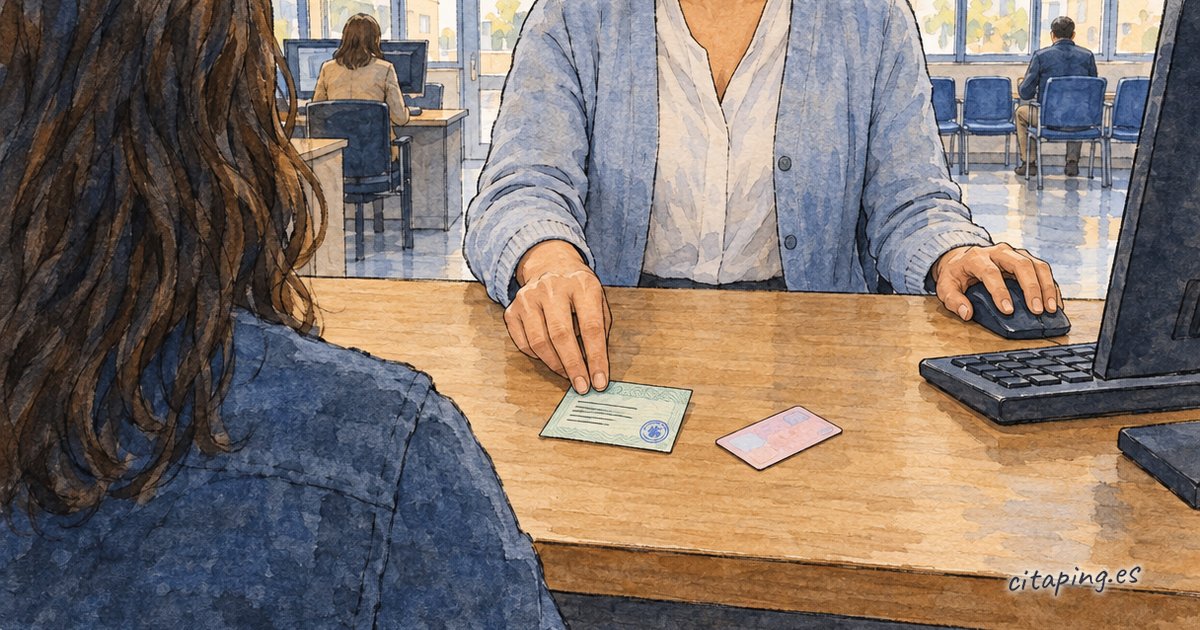
The NIE is a number, not a document. Which document carries it depends on your nationality: the green certificate if you are an EU citizen, the TIE card if you are not. What each one is, which one expires, and which procedure you actually need when you search for "renew the NIE" or "pick up the NIE".

The NIE is never renewed: what expires is the card, the TIE, and the authorisation behind it. Renewing your residence authorisation and renewing the physical card are two different processes that everyone searches for under the same name. The deadlines, when you can file through Mercurio and skip the filing appointment entirely, how larga duración, students and lost cards differ, and which appointments remain unavoidable.

Your card is already printed — between you and it stands one last appointment, and at some offices, a batch number. How TIE pickup works, what the "lote" everyone in València asks about actually is, when you can collect without an appointment, and what to do when the pickup slot never shows up.
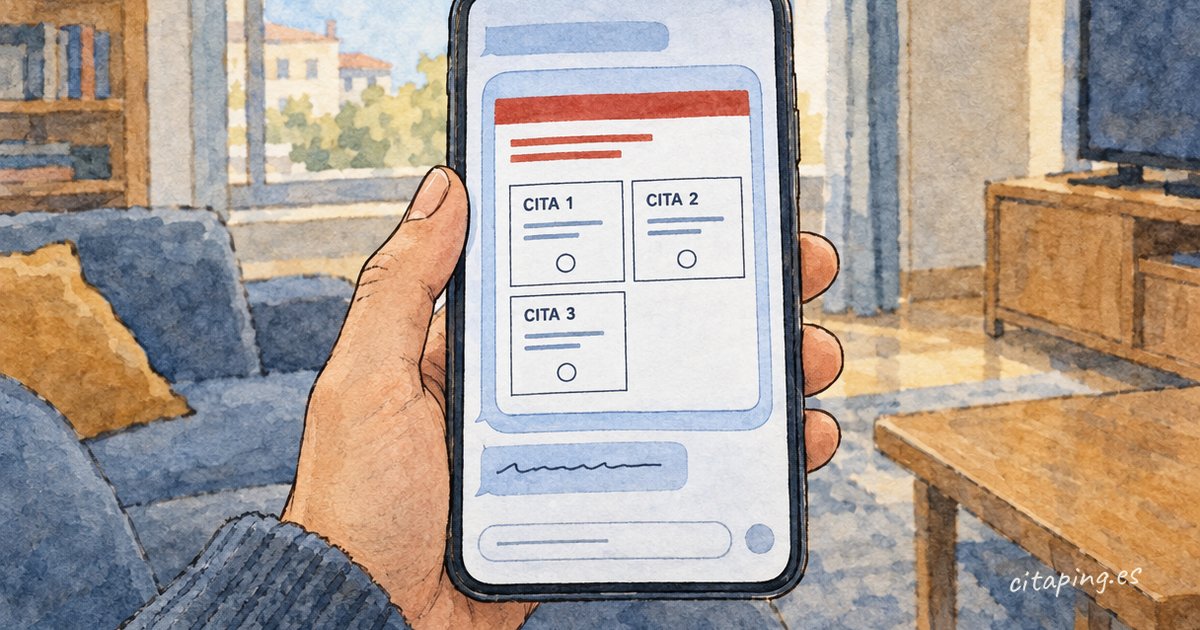
Most appointment notifications tell you a slot might be free and hand you a link — you still have to open the portal and check before you can trust it. A screenshot of the real calendar removes that step. Here is why proof matters when availability lasts minutes.
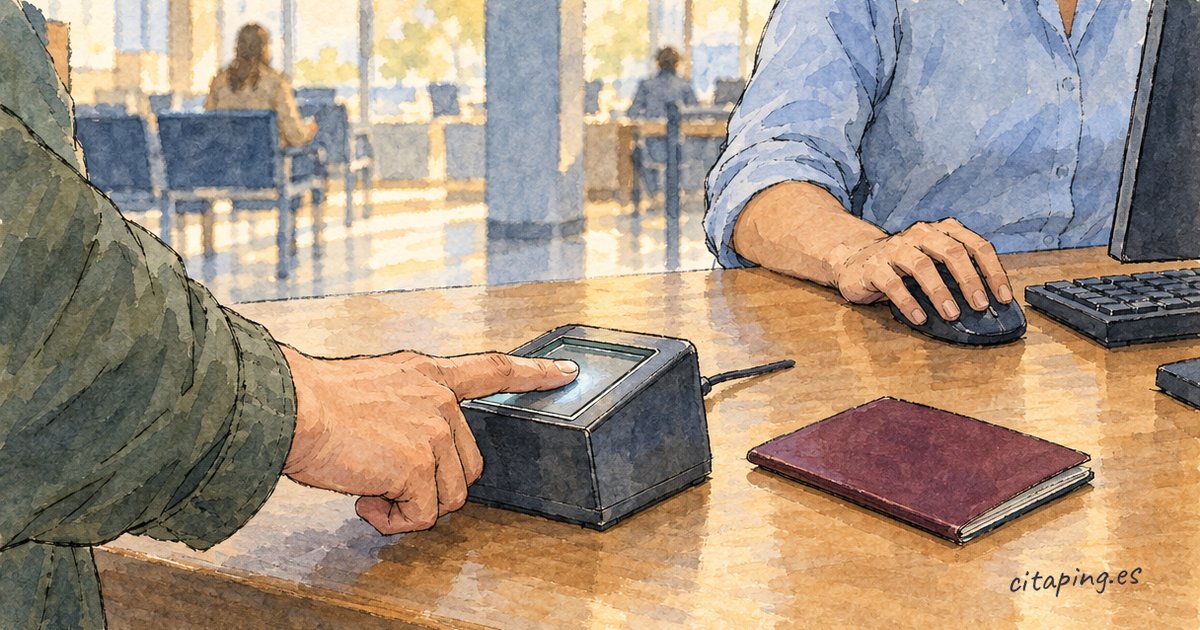
Every residence card in Spain passes through the same biometric step — the toma de huellas appointment at a comisaría. Who needs it, which documents to bring, what actually happens in the room, and what to do when your province shows no appointments for weeks.

The asylum process in Spain runs through several different Policía Nacional appointments, and mixing them up costs weeks. Which appointment belongs to which stage of the process, why they are so scarce in Madrid and Barcelona, and what you can do while the portal keeps saying no appointments are available.

When your province has had no appointments for weeks, trying the next one over is tempting. The portal lets you book anywhere — but whether the appointment is valid depends on the procedure. What the competence rule says, when you risk being turned away, and the alternative that actually works.

When appointments never seem to exist, paid help starts to look tempting — and the market is full of it, from honest alert services to bots reselling free citas for 100 euros. A checklist for telling them apart before you pay anyone anything.

The most frustrating message on the cita previa portal does not mean the procedure is closed; it means the last batch sold out. A practical guide to getting an extranjería appointment when the portal always says no — without paying resellers.

"Monday at 8:00", "Friday mornings", "right after midnight" — every expat forum has its magic hour for catching a cita previa. We measure real availability per province, and the data tells a different story.

The portal almost always says no appointments are available, but the data tells a different story; in July 2026 Madrid had availability on 28 of 30 days. The appointments exist — they vanish in minutes. Here is why, and what you can do about it.
Cita previa is the appointment system behind every immigration and police procedure in Spain — NIE, TIE, fingerprints, residence renewals. The guides on this page walk through the procedures, the paperwork, and the realities of finding a slot.
Demand has outstripped supply for years, especially in the larger provinces. Slots are often booked within seconds, and the official site does not queue requests — whoever submits the form first takes the slot. The articles here explain what works and what does not, based on how the system actually behaves.
The guides also cover the documentation Extranjería and Policía Nacional offices expect, the modelo 790 receipts you may need to bring, and how to pick the right province or office for the procedure you need. Knowing this in advance saves rebookings when paperwork is rejected or you arrive at the wrong type of office.
Cita Ping watches the official website and sends an instant notification when a slot opens for the procedure, province, and office you chose. The guides explain how to configure an alert that matches your situation.
Notifications arrive by email and Telegram. Telegram is usually faster, and both link straight to the official site so you can finish the booking yourself.
Open the official link straight away and complete the booking yourself — Cita Ping never books for you. Have your passport number, NIE, and contact details ready. If the slot is gone before you finish, leave the alert running; another notification will follow.